
Diplomatic talks between Washington and Tehran remain stalled as the world’s most critical maritime chokepoint stays shut, sending shockwaves through energy markets and industrial supply chains worldwide.
The standoff over the Strait of Hormuz showed no sign of resolution on Friday, as the United States and Iran remained locked in a bitter impasse that has paralysed one of the busiest shipping corridors on the planet. President Donald Trump escalated rhetoric on Thursday, ordering the US Navy to “shoot and kill” any Iranian small boats deploying mines in the strait, while Iran insisted it would not return to negotiations until Washington lifted its blockade on Iranian ports and ships.
The two sides are caught in a cycle of mutual preconditions. The White House has said it will not engage in formal talks until Tehran reopens the strait to international traffic, while Iran maintains the blockade is itself an act of aggression that must first be withdrawn. A planned round of negotiations this week was abandoned before it began.
Beyond Oil: A Wider Crisis
The economic consequences of the deadlock are spreading far beyond the fuel forecourt. While crude oil has dominated the headlines since the crisis began in earnest in early March — when the Iran Revolutionary Guard effectively paralysed all traffic through the channel — analysts are increasingly drawing attention to a broader range of commodities at risk.
The strait serves as a multicommodity industrial corridor, carrying not only crude oil but also liquefied natural gas, helium, fertilisers, petrochemical feedstocks, and refined petroleum products. Disruptions to these flows, experts warn, have the potential to ripple through agriculture, healthcare, high technology, and consumer goods manufacturing in ways that may not become fully apparent for several months.
BBC Verify has found that the volume of vessels transiting the strait has plummeted from more than 100 per day before the conflict to merely a few. Qatar’s enormous Ras Laffan LNG facility has halted production following missile and drone attacks, with the Qatari government warning that repairs could take three to five years.
Shipping Giants Adapt, at a Cost
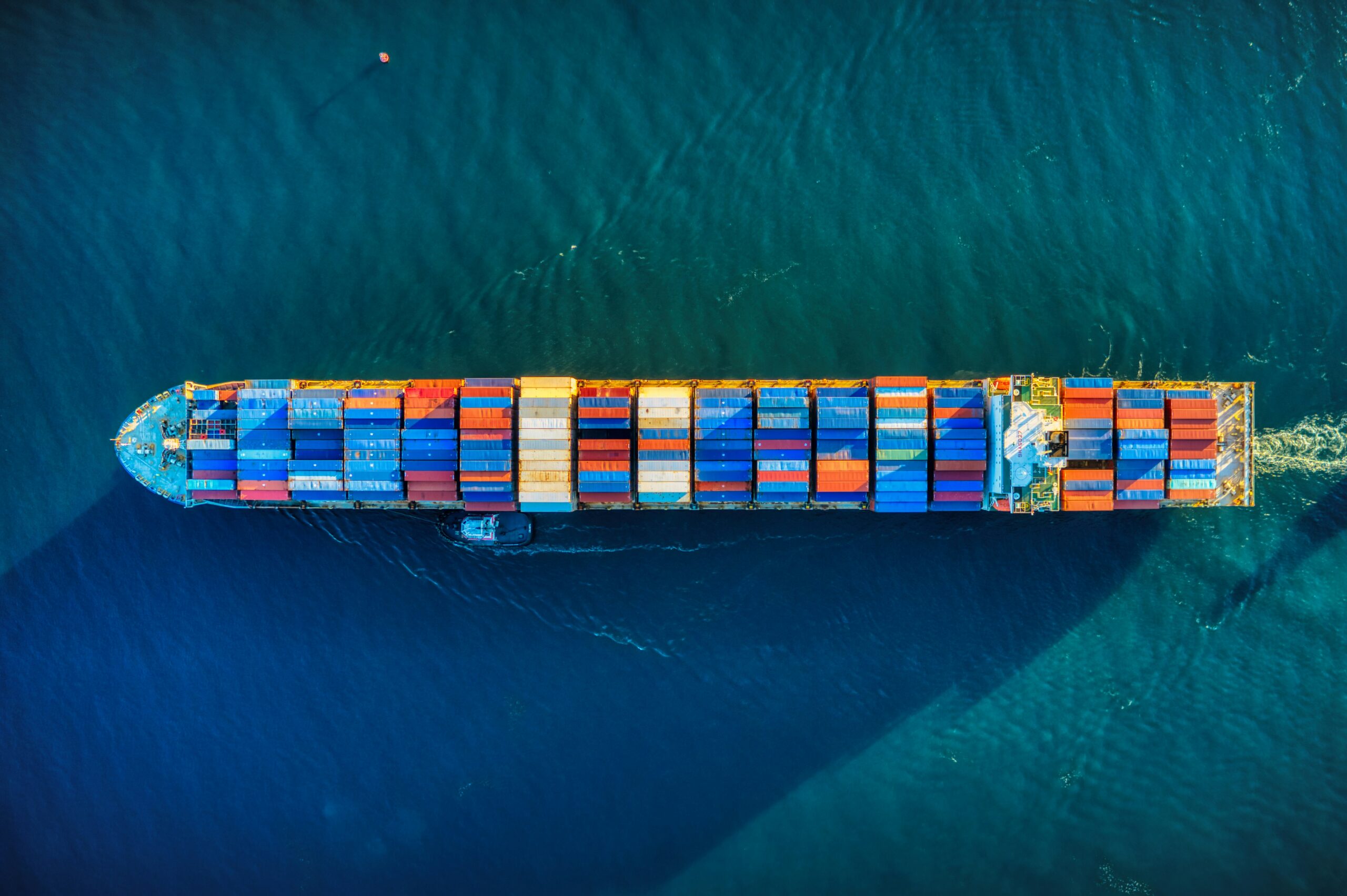
Major container lines moved swiftly to reroute vessels when the crisis first erupted. Carriers including CMA CGM suspended Suez Canal transits and redirected ships around the Cape of Good Hope, dramatically extending voyage times and pushing up freight costs. German shipping giant Hapag-Lloyd still has four vessels stranded in the Gulf, carrying 100 crew members who are reported to be well-supplied while their fate remains uncertain.
Total tonne-miles for crude oil tankers have fallen substantially year-on-year since the closure, with the steepest declines recorded among the very large crude carriers that form the backbone of global oil logistics.
Food, Medicine, and Technology Under Pressure
Consumers in some of the world’s most vulnerable economies face the most acute risks. Countries including Sri Lanka and Pakistan are among those projected to be hardest hit by rising food prices, as fertiliser supplies tighten and shipping costs climb. India, which produces one-fifth of the world’s generic pharmaceutical exports, has seen its logistics chains severely disrupted — with the closure of key Gulf hub airports compounding the strain on medicines reaching the US and Europe.
Analysts have also cautioned that prolonged disruption could raise the cost of advanced technologies, from smartphones to data centre components, as specialist chemicals and gases that flow through the strait become scarcer.
Somalia has further complicated the picture, announcing moves to block Israeli access to the Bab al-Mandab strait — another vital Red Sea chokepoint — in a development that threatens to compound the pressures already battering global trade.
With diplomatic channels effectively frozen and military tensions rising by the day, shipping executives and economists alike are warning that the longer the deadlock persists, the harder the consequences will be to reverse.